About / editorial position
Our perspective on embodied play
Movement is expressive. A game interface should preserve that expression without making the player work to understand its machinery.
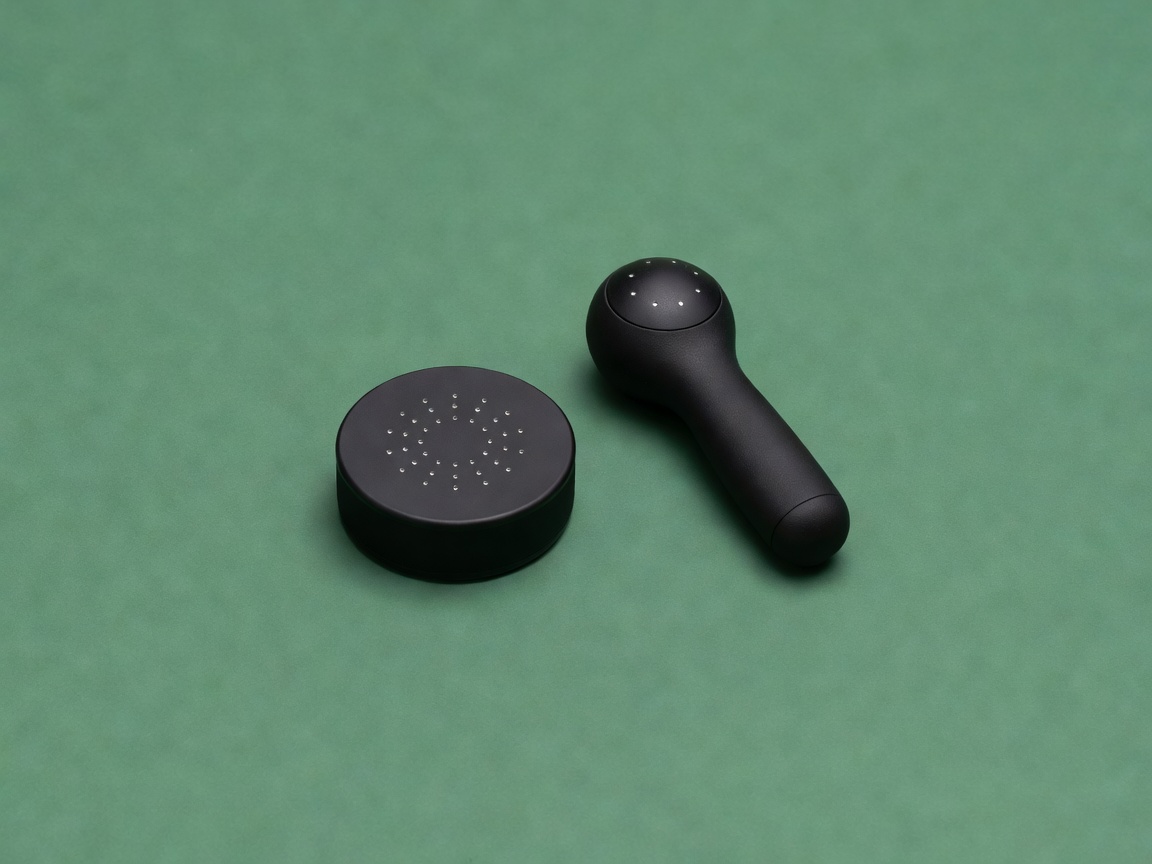
A resource, not a product showroom
JorviloSafar is an independent, informative website about the development of physical movement-based gaming interfaces. We write for interaction designers, gameplay teams and technically curious readers who want to understand the choices behind embodied input.
Our subject includes innovation studios, but our organising principle is the interface itself: how a bodily action becomes measurable evidence, a recognised intention and a readable game response. We do not rank studios by spectacle or treat a prototype demonstration as proof of everyday usability.
The site does not sell controllers, certify accessibility or provide medical advice. Named platforms, standards and devices are reference points for understanding design decisions, not endorsements or claims of affiliation.
How we frame an explanation
Each guide begins with meaning, then traces where the system might preserve or distort it. We distinguish measurement from estimation, recognition from intention and acknowledgement from success. Those distinctions make a design discussion more useful than a broad claim that an interface is “natural.”
Legibility before novelty
Ask whether the player can understand the action boundary and the system’s response.
Accommodation before idealisation
Allow the same intention to travel through different movement ranges and input routes.
Effort as a design cost
Consider repetition, posture and recovery, not just a successful first attempt.
Sources and limits
We favour primary specifications and platform documentation for technical capabilities, and established accessibility resources for evaluation prompts. Where a claim depends on hardware, runtime or context, the guides say so. Concept renders illustrate relationships; they are not specifications for commercial products. Supporting photographs do not establish any participant’s diagnosis, access needs or test result.
These articles offer design reasoning rather than benchmark results from a claimed laboratory study. An implementation still needs measurement, participant involvement and appropriate safety review. Standards references help teams ask better questions; they do not automatically establish compliance.
Corrections and correspondence
If a technical statement needs correction, send the page address, the statement and a primary source where possible. Please avoid including confidential project material or personal participant data. You can prepare a structured message with our local note tool and then decide whether to send it by email.
Compose a movement-design note →